Hotel Cetus
Cetara - Corso Umberto I, 1
Book now
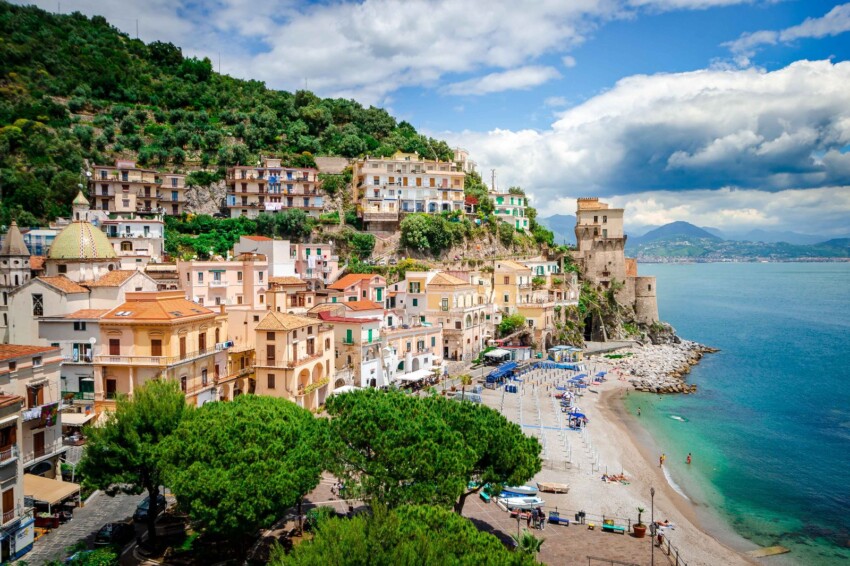
A small village still rooted in ancient maritime traditions, Cetara is renowned along the entire Amalfi Coast for its excellent catch and its colatura di alici (anchovy essence). Situated in a verdant valley at the foot of Monte Falerzio, amid citrus groves and vineyards, Cetara is a town of medieval origins that evolved from a small abandoned settlement into a Saracen pirate base in the second half of the 9th century. Thanks to its strategic location, the Saracens chose the town as a launching point for their raids and incursions along the coast. The town subsequently remained for years under Amalfi’s rule, actively participating in the duchy’s maritime and commercial activities.
In the mid-16th century, following an attack by the Turkish fleet, a watchtower known as the Torre Vicereale was built along the town beach, which can still be admired in excellent condition today. Over time, the town has earned a reputation as a charming fishing village whose main activities remain largely centred on fishing.
The town’s name has uncertain origins: according to some, it derives from Cetaria, meaning “tuna fishing grounds”, whilst others believe it comes from Cetarii, meaning “fishermen and fish merchants”. Both origins nonetheless identify the strong connection Cetara has with fishing. This ancient fishing village has managed to preserve its deep ties to ancient maritime traditions and carry them through to the present day. Famous for its excellent anchovies, tuna and blue fish that are caught, processed and served by local establishments, Cetara is the ideal destination for those seeking a stay characterised by tranquillity and outstanding food.
Walking through this village, you can still observe monuments and landmarks that tell the story of this small town. Cetara is one of the few places on the Amalfi Coast that has yet to be touched by mass tourism, remaining a more peaceful destination. Strolling through the village, with its narrow alleys and tightly-packed houses, you can only be captivated by its genuine character and simplicity.
Built in the 11th century, the Church of San Pietro was commissioned by the Normans, who sought to use this building to assert the supremacy of Christianity over Islam. The religious edifice was subject to numerous renovations and alterations over the years that modified its original structure.
The façade currently dates from the 18th century and is in neoclassical style, whilst the interior features a single nave in baroque style with four side chapels. The bell tower, standing over 18 metres tall, has five tiers, whilst the beautiful dome is covered in coloured majolica.
Part of a defensive system designed to protect the Amalfi Coast from pirate raids, the Torre Vicereale sits on Cetara’s beach and originally served as a watchtower. Over the years, the tower underwent various works that increased its stability and height so it could better spot potential attacks.
Once the guards at the tower spotted enemies, they would transmit signals to the population so they could prepare to defend the coast. As time passed, the tower was also equipped with bronze cannons and three small catapults to strike enemies.
After becoming municipal property in the 1990s, the tower was restored and now houses the Cetara Civic Museum with a permanent exhibition by local artist Manfredi Nicoletti and exhibitions featuring numerous painters from the Amalfi Coast, known as “costaioli”.
The monumental complex of San Francesco dates back to the 14th century and comprises the Church of San Francesco and the Convent. Inside, the church contains a single nave and houses precious frescoes by local painter Marco Benincasa and four small side altars hosting statues of saints. Externally, the church has a very simple façade that follows Franciscan style.
The convent of Franciscan friars, meanwhile, features a beautiful cloister and the cells above it, which currently house Cetara’s municipal offices. Part of the convent has for years been home to the renowned Al Convento Restaurant, where you can enjoy typical local cuisine and excellent fish-based dishes.
The Church of the Madonna of Constantinople is located in the Casale district, in the upper part of the town, and is believed to have been built in the 19th century over the remains of a small church dating back to 1550.
Restored in 1921 following a violent flood, the church features a rectangular layout with a single nave and transept and bell tower. The transept is topped by a small dome where the four Evangelists are frescoed by painter Manzo. The central altar is made of polychrome marble, whilst directly above the building’s entrance door is a singers’ gallery with a pipe organ.
Cetara Marina5 is the small and peaceful town beach located right between the cluster of houses and the town’s harbour. The waters here are clean and crystal-clear, and the beach is dominated from above by the ancient Torre Vicereale.
Another small, little-frequented and still quite wild stretch of coastline is the Lannio Beach6, which can only be accessed on foot via a path starting from the Torre Vicereale and leading to a staircase that descends to this small cove.
Lannio has a sandy beach and crystalline waters. The beach’s name is believed to derive from “lagnanze”, or the laments uttered in medieval times by local monks who were tortured here by Saracens during their raids.
In the following map you can see the location of the main places of interest mentioned in this article.
The small village of Cetara is the ideal destination for those seeking a peaceful and relaxing stay far from the busier life of other Amalfi Coast locations.
Despite its small size, Cetara nonetheless offers a wide range of accommodation options to choose from if you wish to stay in this town. In addition to hotels situated in scenic coves or nestled on cliffs overlooking the sea, the town also offers accommodation in small bed and breakfasts and holiday homes.
Cetara is a town on the Amalfi Coast well-connected and easily accessible by car or public transport from the main towns in Campania. If you want to reach Cetara by car from Naples, you need to take the A3 motorway and after approximately 46 km take the Vietri Sul Mare exit. Once off the motorway, you need to continue along the Amalfi state road SS163 for 6 km to Cetara.
Those preferring to travel by train can reach Salerno railway station and then take a SITA bus that takes approximately 30 minutes to reach Cetara. SITA buses also pass through Cetara, connecting the town of Amalfi to Naples, passing through Cava de’ Tirreni and Nocera. During the summer season, it is also possible to reach Cetara by sea from Salerno and other locations on the Amalfi Coast thanks to the metro del mare (coastal ferry service) lines.
Cetara is a charming town on the Amalfi Coast, situated approximately 7 km from Vietri sul Mare, 11 km from Salerno and 60 km from Naples.
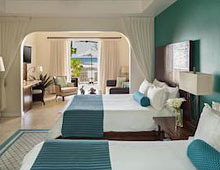 Hotel
Hotel 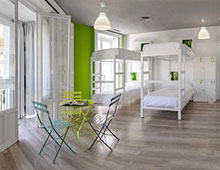 Budget accommodations
 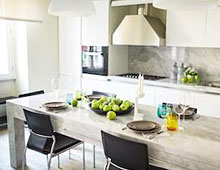 Apartments
  Family Hotel
 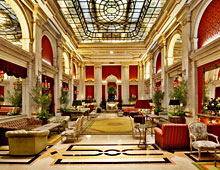 Luxury Hotel
  Resorts