Hotel Villa Giuseppina
Scala - Via Torricella
Book now
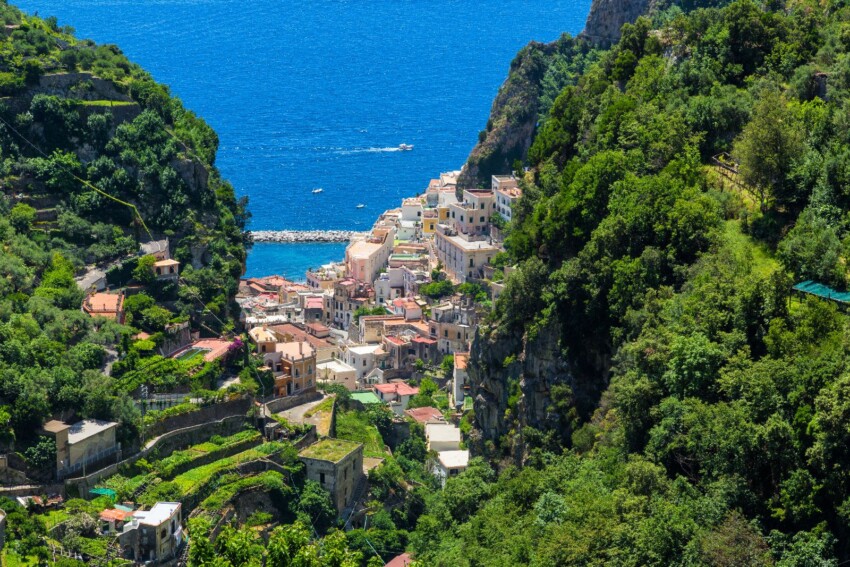
Considered the oldest settlement along the Amalfi Coast, Scala is a small village perched on the Lattari Mountains at approximately 400 metres above sea level and surrounded by the lush vegetation of the Ferriere Valley State Nature Reserve. According to ancient tradition, Scala was founded in 330 BC by Roman families travelling to Constantinople who, caught in a storm, were shipwrecked in this coastal area and established the settlement inland. Some historians believe that the origins of the nearby city of Amalfi can be traced back to residents of Scala who later relocated from the interior towards the sea.
For centuries, Scala remained under the dominion of the Amalfi Republic, earning it the nickname “the lioness of Amalfi“, until 1137 when Pisan forces ransacked the town, destroying numerous buildings and enslaving many inhabitants. During its golden age, the city boasted an impressive number of villas, grand buildings, monasteries and numerous churches.
Scala is also the birthplace of several noble families in the region, including the D’Afflitto, Rufolo, Coppola and Sasso families, and served as a seat of the bishopric from 987 to 1818. Fra’ Gerardo (from the noble Sasso family) was also born here; in the 11th century, he founded the Order of the Hospitallers of Jerusalem, which later became the Sovereign Military Order of Malta. The town was long a fortified settlement with two castles – one on Monte (Scala Maior) and another built on the clifftop overlooking the sea (Scala Minor). The two fortresses were connected by defensive walls dotted with numerous towers, of which only fragments now remain.
Nestled among verdant woodlands and terraced groves of lemon trees, olives and vines, Scala is a settlement with a history spanning millennia and a wealth of historical, architectural and natural heritage. Located in the heart of the Amalfi Coast, this small rocky village, while not among the most famous tourist destinations on the coast, offers not only breathtaking scenery but also green hiking routes connecting nearby towns such as Atrani, Amalfi and Minori.
The town comprises six hamlets (Pontone, Minuta, Scala Centro, Campidoglio, S. Pietro and Santa Caterina) linked by steep alleyways and staircases that allow you to explore the entire village.
The Cathedral of San Lorenzo stands in the historic centre and dates back to the 12th century, though it has undergone modifications in subsequent periods. Its central portal is the original entrance, displaying Romanesque-Gothic style with pillars adorned with guardian griffins and vine scrolls.
The cathedral interior is divided into three naves and features fine stucco work and a frescoed ceiling depicting scenes from the life and martyrdom of San Lorenzo (painted by Cacciapuoti), Scala’s patron saint. The medieval crypt houses the tomb of Marinella Rufolo, a noblewoman who in the 14th century married Antonio Coppola from Scala, thereby ending the long-standing rivalry between the Ravello and Scala families, two prominent local dynasties.
Pontone, a traditional and picturesque hamlet, was part of Amalfi’s territory until the 20th century. From medieval times, Amalfi’s noble families regarded Pontone as the ideal retreat for a relaxing and peaceful stay, and it is characterised by impressive noble residences and churches of considerable merit.
In particular, the Church of San Giovanni Battista, dating to the 12th century and repeatedly restored over the centuries, preserves precious 16th and 17th-century frescoes and a 1346 tombstone of Filippo Spina. Pontone also retains ruins of the ancient Torre dello Ziro, once part of Scala’s medieval castle. The tower, formerly known as Torre San Felice, is an imposing cylindrical structure that served a defensive purpose in antiquity.
Dedicated to Sant’Eustachio, a Roman martyr revered as founder of the D’Afflitto family, the Basilica of Sant’Eustachio was built in the 12th century in a position offering magnificent views across the Amalfi Coast.
Today, only the remains of the building survive, which was originally constructed in Romanesque style with three naves separated by large marble columns with capitals and three apses decorated with influences from the Arab world.
Located in the Minuta hamlet, not far from the Church of Sant’Eustachio, lie the remains of a typical Arab bath, a feature found in the homes of Scala’s wealthy families. These bathhouses were spaces for relaxation, comprising several interconnecting rooms – one for cold bathing, another for tepid water, and a final one for hot water bathing.
Situated within a deep valley, the Ferriere Valley is a nature reserve spanning the mountains of Scala. It features walking trails through woodlands, Mediterranean scrub vegetation, streams and rare tropical plants unusual for Italy, including the “Woodwardia radicans”, a giant fern, and “Pinguicola hirtiflora”, an exceptionally rare carnivorous plant.
Adjacent to the reserve stands the Scala Quarry, a cave along the course of the Dragone river, characterised by ancient dark limestone dating to the formation of the Amalfi-Sorrento peninsula.
From Scala, you can easily reach beaches in numerous coastal towns, such as the main beach of Amalfi, a popular spot for those seeking vibrant beach culture, or the small Atrani beach, featuring sandy shallows and ideal for families with children.
Nearby is also the Castiglione beach near Ravello, where you can swim in crystal-clear waters. Finally, the Maiori beach is also easily accessible – one of the few sandy beaches along the coast, stretching for about 1 km with equipped facilities offering various services.
In the following map you can see the location of the main places of interest mentioned in this article.
Perfect for those seeking a peaceful and relaxing escape, Scala offers a wide selection of accommodation options, many nestled in verdant surroundings.
Scala is less than 60 km from Naples, and to reach the town by car from the Campania capital, take the A3 motorway for approximately 30 km to the Angri exit. From there, take the SP2b and SP1 roads towards Scala. If you’re in Amalfi, you can reach Scala by car in under twenty minutes, taking the SS163, then turning left onto the SS373.
To reach Scala by train, arrive at Salerno station and then take a bus run by SITA heading to Amalfi, where you’ll need to change and take a bus towards Scala. There are also various scenic hiking routes through nature connecting Scala to nearby towns such as Amalfi, Maiori and Ravello.
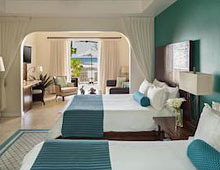 Hotel
Hotel 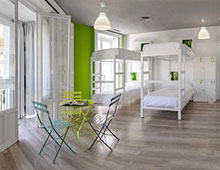 Budget accommodations
 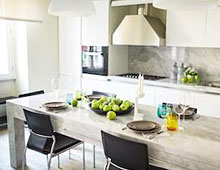 Apartments
  Family Hotel
 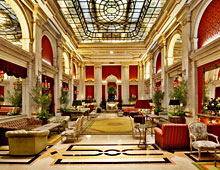 Luxury Hotel
  Resorts