La Sciabica
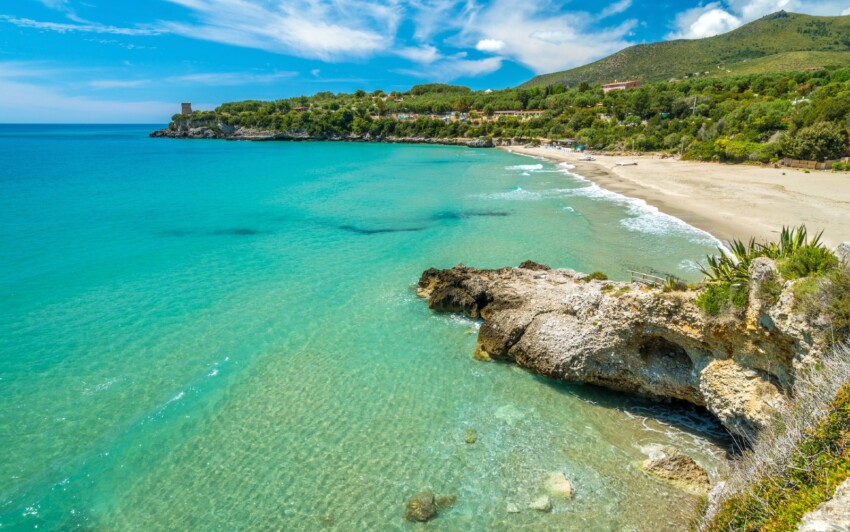
Cilento is the largest national park in southern Italy and one of the rare stretches of Campania’s coastline where building speculation has left the coast’s original morphology intact: sheer limestone cliffs, inaccessible coves, Mediterranean scrubland that reaches right down to the sea, and fishing villages that have remained untouched by mass tourism.
The coastline extends for approximately 80 kilometres from the plateau of Agropoli, the southern gateway, to the Gulf of Policastro and Sapri, offering a variety of seaside experiences that no other stretch of Campania’s coast can match: long sandy beaches with facilities ideal for families, wild coves accessible only by sea or on foot along scrubland trails, sea caves lit with brilliant blue light, and a Marine Protected Area, Costa degli Infreschi e della Masseta, established in 2009, which safeguards the most spectacular section between Marina di Camerota and Scario, with 13.8 kilometres of pristine coastline.
The Cilento, Vallo di Diano and Alburni National Park, a UNESCO World Heritage Site since 1998, covering an area of over 181,000 hectares, is the natural and institutional setting that has preserved these coasts. Many of the most beautiful beaches have no road access: they’re reached on foot through olive groves and rosemary, or by hiring a small boat from the nearest port.
This makes them peaceful, crystal-clear and challenging all at once. The best time to visit them is May–June or September–October: the sea is warm, the weather is perfect for walking, and the most remote coves are still accessible without crowds.
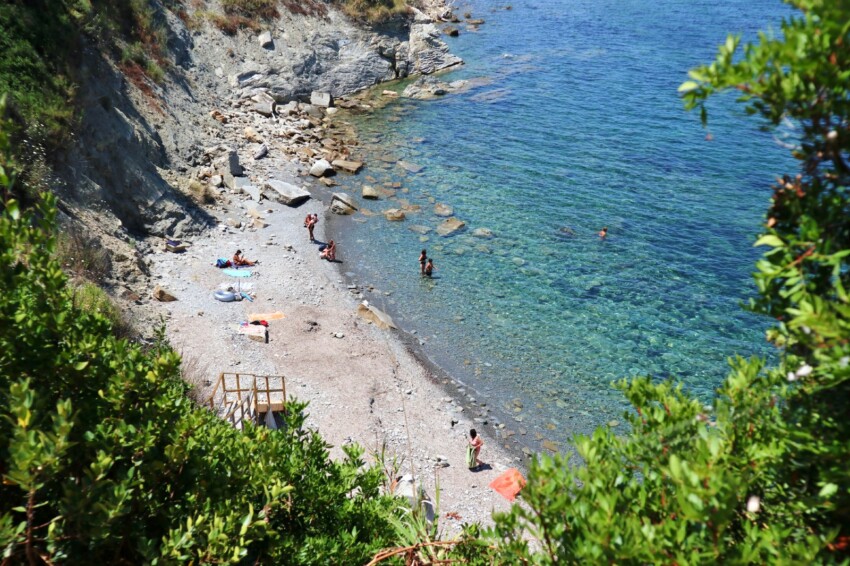
Agropoli is the first gateway to Cilento for those arriving from Salerno and is home to one of the park’s most beloved beaches: Trentova Bay1, protected by a lush headland that slopes gently down to crystal-clear waters. According to legend, the name comes from the discovery of thirty seabird eggs inside a cave near the bay.
The beach is fine sand with a shallow seabed, ideal for families with children, and the water displays particularly intense shades of azure and emerald green. Nearby you’ll also find the small Licina Beach2, a modest beach accessible via a flight of steps, and the so-called Elephant Cave3, a sea cave perfect as a starting point for kayaking excursions along the rocky coast.
Agropoli has convenient car parks and a well-serviced seafront, making it the most accessible logistics base for those visiting Cilento for the first time.
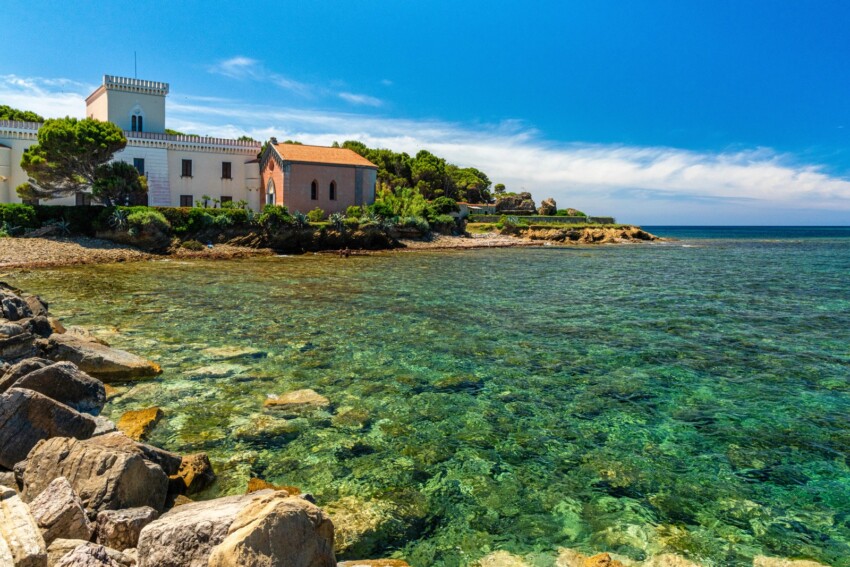
Castellabate, the medieval village founded in 1123 by Abbot Costabile Gentilcore and made famous by the film Benvenuti al Sud, overlooks a stretch of coast that brings together some of Cilento’s most award-winning beaches.
The Pozzillo Beach4 at Santa Maria di Castellabate stretches for almost two kilometres of the finest golden sand with a shallow seabed and calm waters: it has been awarded the Paediatricians’ Green Flag for its safety and accessibility for children, along with the prestigious Blue Flags. The seafront at Santa Maria is one of the busiest on the Cilento coast, with numerous facilities and restaurants alternating with stretches of public beach.
Moving south, you’ll reach the area of Ogliastro Marina5, with its pine groves extending to the water’s edge, Arena Bay and Ogliastro Point, before reaching the headland of Punta Tresino6, with cliffs plunging into the sea and lush vegetation making it one of the most photographed landscapes in northern Cilento.
At the far tip of Castellabate’s territory sits Punta Licosa7: a rocky and in places sandy coast, with a tiny characteristic little harbour and waters of extraordinary clarity. It’s reached on foot by following the trail from San Marco di Castellabate (about 45 minutes), or by sea with small boats.
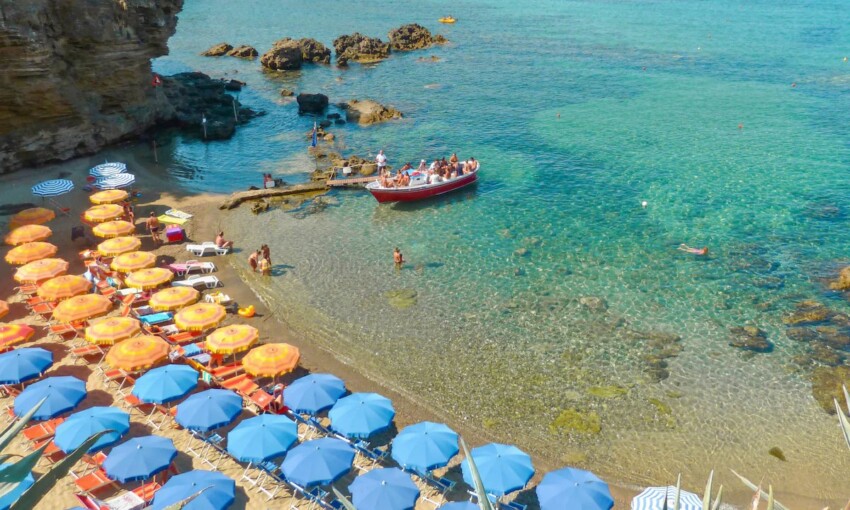
The fishing village of Acciaroli, in the municipality of Pollica, is known for two distinctions: its beaches, which have been awarded 5 Sails by Legambiente and the Blue Flag for water quality year after year, and its connection with Ernest Hemingway, who spent time in this fishing village, finding inspiration in the authentic maritime life of the Cilento.
The Acciaroli Main Beach8 is a long expanse of fine, golden sand, more than a kilometre long, with shallow water and calm seas, protected by a natural cliff that keeps the swell contained even in strong winds: ideal for families and for those who love swimming without worry. Narrow alleyways, the Church of the Annunziata (1187), the remains of an Angevin tower and the fishing port with its colourful fishing boats complete an utterly authentic fishing village atmosphere.
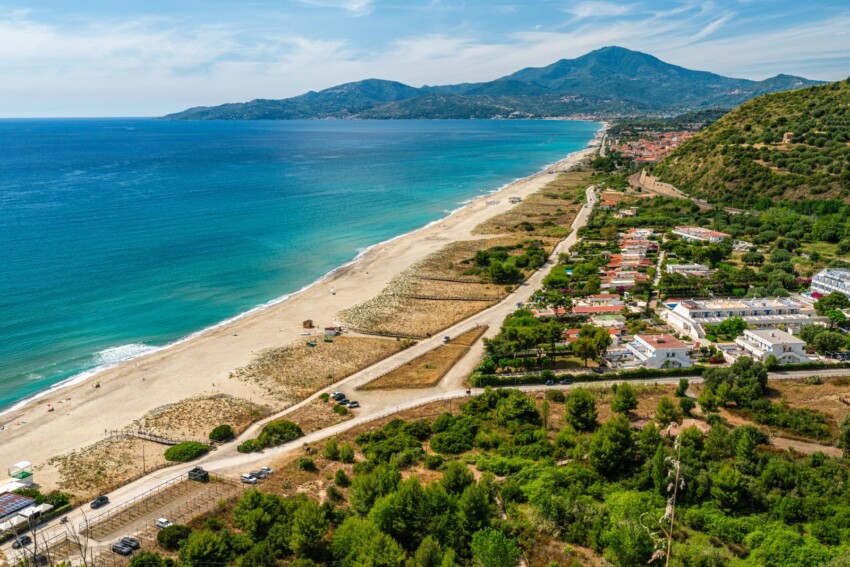
Marina di Ascea9 boasts one of Cilento’s longest and widest beaches: more than 3 kilometres of fine golden sand stretching uninterrupted along the shoreline, with shallow sandy beds that slope gently, perfect for children and inexperienced swimmers.
The seafront is well equipped with facilities, restaurants, bars and car parks, and water quality is consistently high. What makes Ascea Marina special is not just the beach: just minutes from the shoreline you’ll find the Elea-Velia Archaeological Park, the ancient Greek colony founded around 540 BC by Phocaean refugees.
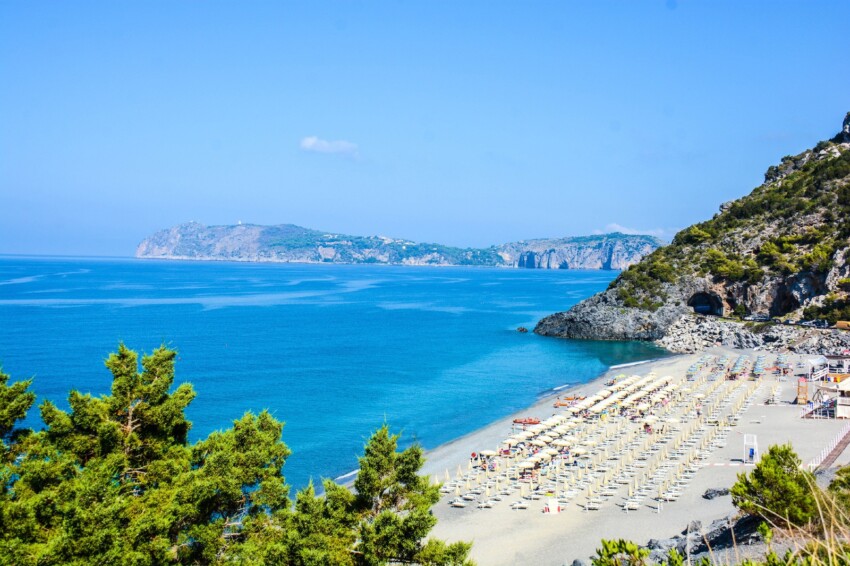
Palinuro10 is the most famous seaside resort in Cilento and one of the most celebrated in southern Italy: the name itself is of classical origin, evoking Palinurus, the helmsman of Aeneas in Virgil’s Aeneid, who slipped into the sea whilst asleep on this very cape and drowned before reaching the shores of Lazio.
The headland bearing his name is geologically extraordinary: the waters have carved out over thirty sea caves, of which five are accessible, and the famous Natural Arch, a limestone sculpture open to the sea that rises from the water like a gateway to the open ocean.
Boat excursions from the port last 3–4 hours and include stops at the caves – the Blue Grotto, the Grotto of Blood (named for the red colour of the algae on its walls), the Grotto of Bones and the Monks’ Grotto – and the most beautiful coves such as Good Sleep Beach11, accessible only by sea: a small inlet of the finest sand enclosed by rock walls where silence is absolute.
The La Marinella Beach12, near Good Sleep Bay, has clear sand and shallow water with views over the intense green of the Mediterranean scrubland descending to the water’s edge.
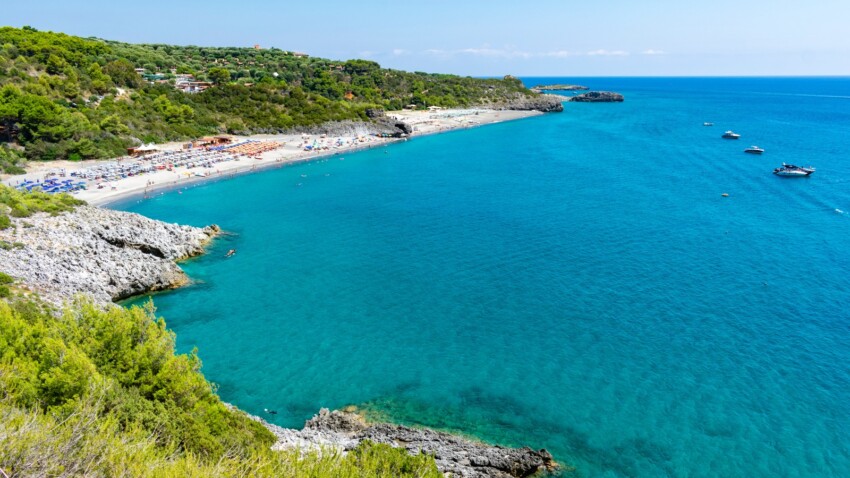
Marina di Camerota is the heart of the Costa degli Infreschi Marine Protected Area and the destination with the highest concentration of stunning beaches in Cilento. The stretch of coast south of the town is one of Campania’s most spectacular: high jagged rocky coast, scrubland plunging into the sea, pebble coves accessible only by trail or sea.
The most accessible beaches near the centre – Calanca Beach13 (extremely shallow seabed and transparent water for dozens of metres) and the Lentiscelle Lido14 – are well-frequented by locals and offer good facilities.
The beach that made Marina di Camerota famous throughout Italy is though Cala Bianca15: a small inlet of white pebbles – the name comes directly from the dazzling colour of the beach – which according to local fishermen’s tradition served as a nighttime landmark because moonlight reflected off the white stones, surrounded by Mediterranean vegetation and immersed in the silence of the Marine Protected Area.
On the headland that embraces it stands the Cala Bianca Tower, and on the seabed flows a spring of icy fresh water, the Santa Caterina Spring, which creates special colour effects on the surrounding water. There are no facilities or structures: bring water, food and everything you need. It’s reached on foot via the Infreschi Trail (departure from Lentiscelle beach, about 30–40 minutes) or by boat from Marina di Camerota’s port.
Just beyond Cala Bianca, the Infreschi Bay16 is a natural harbour used since Greek and Roman times for tuna processing and preservation, and the Porto Infreschi cave functioned as a fish store until the mid-20th century. Today it’s protected by the Marine Protected Area, its waters are considered among the clearest in Campania, and the small white shingle beaches are reachable by sea from Camerota’s cooperatives or on foot via a demanding trail through Mediterranean scrubland. Fresh water springs flow directly into the sea from the seabed, creating unique temperature effects for swimmers.
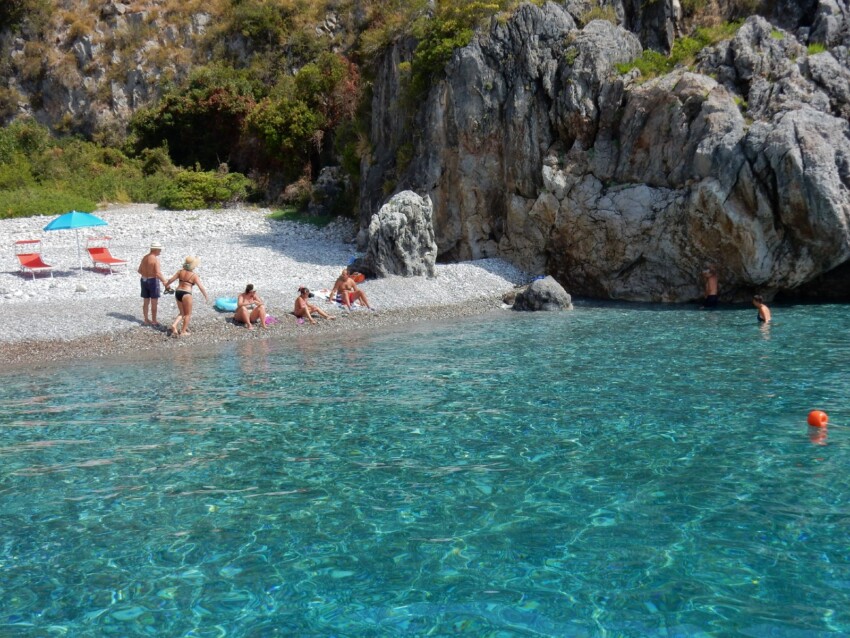
Scario, on the Gulf of Policastro, is the gateway to the most remote and least-known coves on the entire Cilento coast: the beaches of the Costa della Masseta17, within the Marine Protected Area, which have no road access and are reached exclusively by sea with small boats or kayaks.
The names (Gabbiani Beach, Risima, Sciabica, Spiaggia dei Francesi) hint at their nature: places where civilisation has never really arrived, with white pebbles, smoothed rocks, intensely turquoise water and seabeds rich in seagrass and marine life. They’re ideal for snorkelling and for those seeking absolute silence.
Scario’s port organises daily trips to the Masseta coves from April to October.
In the following map you can see the location of the main places of interest mentioned in this article.
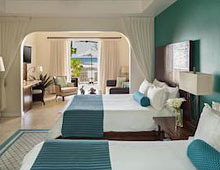 Hotel
Hotel 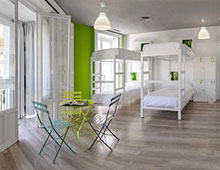 Budget accommodations
  Apartments
  Family Hotel
  Luxury Hotel
 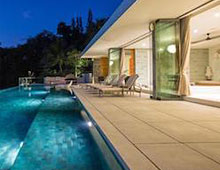 Resorts