Grand Hotel San Pietro
Palinuro - Corso Pisacane
Near Cape Palinuro's main square, this modern 4-star hotel is built into the rocky coast and offers a private pebble beach, free parking, and a panoramic sea-water pool.
Book now
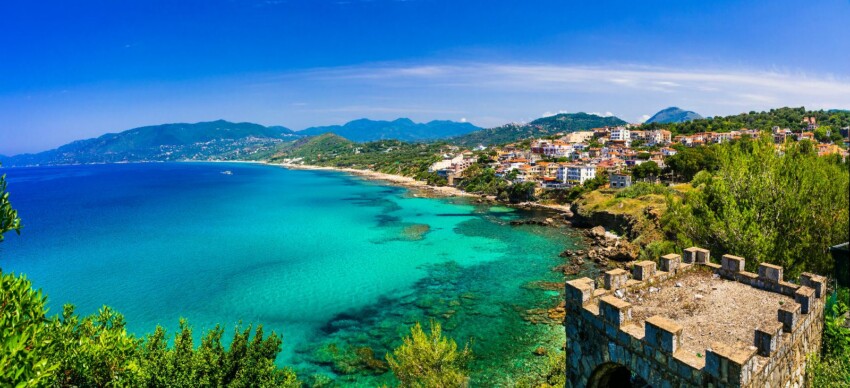
A true gem nestled in the heart of the Cilento and Vallo del Daino National Park, Palinuro is a hamlet of Centola municipality that sits perfectly poised between the turquoise waters of the sea and the verdant hills surrounding it. Palinuro is one of the most highly regarded tourist destinations on the coast, not only for its beaches awarded the Blue Flag status, but also for the famous “Capo Palinuro”, a rocky promontory that is home to Italy’s second tallest lighthouse.
Palinuro, like many other locations in the area, boasts truly ancient origins, so much so that it features in the epic poems of Classical Greek and Latin literature. According to Virgil’s account in the Aeneid, the city’s name derives from Palinuro, Aeneas’s helmsman, who lost his footing and fell into the sea one night whilst navigating the fleet towards Italy. Aeneas and his entire fleet believed Palinuro had perished, but in fact he reached the Campanian coast, only to be killed by locals who left his body unburied on the beach.
Born from this ancient history, a land steeped in myth and legend, one of Palinuro’s most important events came into being: The Night of the Myth, held annually on 23 August, which commemorates the landing of Ulysses, who arrived on these shores whilst fleeing from Troy. Celebrated since the 1980s, the event draws thousands of visitors each year who gather to celebrate until dawn inside the natural Cyclops’ cave.
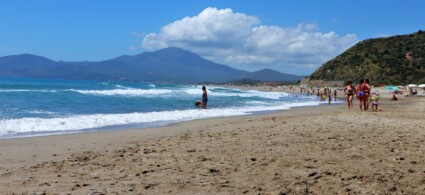
Palinuro stands out as a must-visit destination for those seeking a holiday combining the sea, relaxation, nature and sporting activities. This location indeed offers some of the finest beaches in Cilento as well as beautiful caves such as the Azure Grotto and the Blood Grotto.
The Punta Iacco area is equally beloved by both trekking enthusiasts, who benefit from trails offering breathtaking views, and diving lovers, given the abundance of underwater caves interconnected by an intricate network of galleries. In its pedestrianised area, Palinuro abounds with restaurants, bars, clubs and discotheques that especially come alive in the evening, drawing those who enjoy nightlife and socialising.
The small village of Palinuro, part of Centola municipality, sits north of Capo Palinuro and houses the town’s port, from where boats depart to explore the area’s caves and beaches. Here you can visit the Church of Santa Maria di Loreto, the Chapel of Sant’Antonio del Porto and a pedestrianised area brimming with artisan shops producing local goods.
Palinuro’s centre comes alive in the evening and is a favourite destination for those who enjoy the social scene, with restaurants serving Cilento cuisine, bars and pubs aplenty.
The Palinuro Antiquarium is a kind of museum located in the Ficocella area on a promontory perched directly above the sea, affording stunning panoramic views. Inside this modest antiquary, archaeological finds discovered in and around the Palinuro area are displayed – lands inhabited since the most ancient times. Here you can admire remains from an ancient settlement dating to prehistoric times, Ionian ceramics and relics from the Hellenistic age found along the coast.
Atop a high cliff face plunging directly into the sea stands the Capo Palinuro promontory, which offers a truly unique natural setting with the opportunity for excursions and trekking, surrounded on one side by the sea and on the other by lush vegetation. The trails allow you to admire breathtaking coastal scenery and often retrace the history of this location.
In this area, typical Mediterranean scrubland fauna coexists with particularly distinctive plant species, such as the Palinuro Primrose, a characteristic primrose that grows on the rocky cliff faces of the promontory. The Capo Palinuro Promontory also features numerous Saracen towers and fortifications built around the 16th century to defend the coast and remain visitable today.
One essential stop during a stay in Palinuro is undoubtedly a visit to the beautiful caves found in this area, which also attract those who love diving.
The Azure Grotto4
The Blood Grotto, by contrast, owes its name to the colour of its interior walls, which, due to traces of ferrous oxide, appear red. The red walls then reflect onto the seawater, turning it red as well. Inside the cavity are also interesting limestone formations, including one that resembles a dolphin’s head.
Finally, don’t miss the Monks’ Grotto, so named because of its dark brown stalagmites, whose shape recalls monks in prayer.
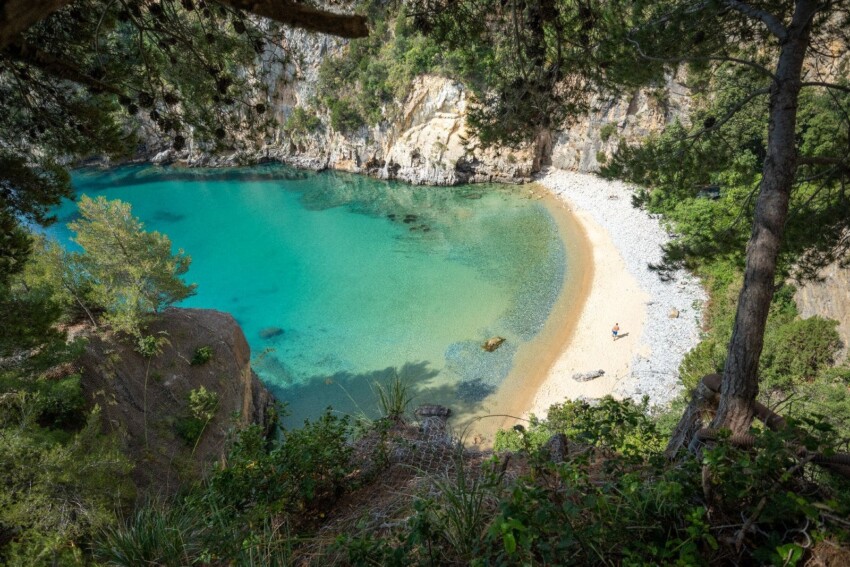
Renowned for the quality of its waters, recognised as Blue Flag status, Palinuro is a highly appreciated tourist destination for its beaches, appealing not only to those seeking a relaxing holiday but also to diving enthusiasts.
The Buon Dormire Beach5 is certainly the best-known beach in this area, but being “hidden” behind a high rock wall, it is only accessible by sea, via boats or pedalos. This small bay, a free beach with no beach clubs, boasts crystal-clear waters in emerald green with fine golden sand. Opposite the beach stands the “Rabbit Rock”, so named because its shape resembles that of a rabbit.
The Port Beach6 and the Salt Pans Beach7 are two beaches awarded Blue Flag status in 2020. Both characterised by golden sand and crystalline waters with shallow seabeds, these beaches are ideal for families with children. Marinella Beach8, meanwhile, sits within a small gulf and is a beach set amid greenery with fine golden sand and shallow waters perfect for snorkelling enthusiasts.
Finally, don’t overlook the famous Natural Arch Beach9, located near the mouth of the Mingardo River outside Palinuro’s centre. The beach is known for a large natural arch in the rock through which you enter a fascinating bay characterised by a small sandy beach sheltered by towering cliffs.
In the following map you can see the location of the main places of interest mentioned in this article.
Palinuro offers a wide range of accommodation options, including not only hotels and typical bed and breakfasts, but also numerous tourist villages. Thanks to the many activities on offer, this Cilento destination is one of the most sought-after during summer, so it’s advisable to book your accommodation well in advance.
We offer a selection of hotels at Palinuro to suit all categories of travellers. The most booked by tourists are the sea-facing hotels, often right on the beach. If you want to play it safe, choose one of the following: they are among the most booked hotels in Palinuro, sorted by number of reviews.
If you prefer space, privacy and the ability to prepare your own meals to a hotel holiday, book a holiday home at Palinuro. We recommend a few below, but in this case we advise you to book early because houses and apartments for rent at Palinuro are in high demand.
Palinuro is easily accessible by car for those travelling from the north (Milan, Rome and Naples) by taking the A3 Salerno–Reggio Calabria motorway, exiting at Battipaglia and continuing on the SS 18 towards Agropoli and then on the SS 18 bypass towards Futani until the Poderia exit. From here, proceed on the SS 562 towards Palinuro.
Those travelling from southern Italy can take the A3 Salerno–Reggio Calabria motorway, exit at Buonabitacolo and continue on the SS 517 until Policastro Bussentino, where you join the SS 18. Continue on this road until the Poderia exit, then take the SS 562 towards Palinuro.
If you prefer to reach the town by sea, Palinuro is connected to the city of Salerno via the Sea Metro; whilst those preferring the train can reach Pisciotta-Palinuro station from the main Campania railway stations – it’s located 8 km from the centre.
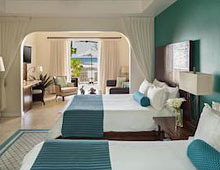 Hotel
Hotel 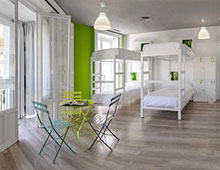 Budget accommodations
 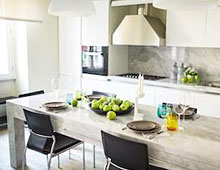 Apartments
  Family Hotel
 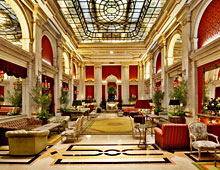 Luxury Hotel
 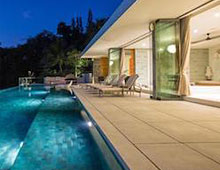 Resorts