Campania: Artecard 3-Day, 7-Day, or Gold/Lite 365 City Pass
Discover Campania and Naples with a pass to visit 40 cultural sites and use public transport (included only in the 3-day pass).
From 27,00 €
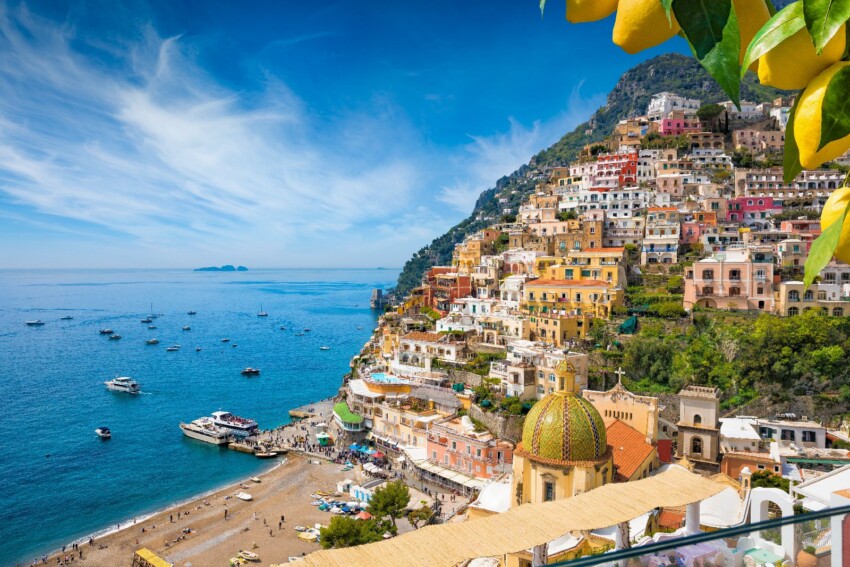
Renowned for its stunning landscapes and idyllic beaches, Campania is a region that truly has far more to offer than just a seaside holiday – it’s equally compelling for those seeking cultural and historical exploration. Throughout its territory, you’ll discover countless attractions: from archaeological sites to villages perched dramatically on cliffsides, from scenic trekking routes to crystal-clear coastal beaches.
A cultural journey through Campania is a unique experience, as every era has left its mark on this region’s landscape: from the days of Magna Graecia through Roman rule, from the years of the Maritime Republics to Bourbon dominion. Between quaint fishing villages and exclusive towns, Campania captivates all who visit.
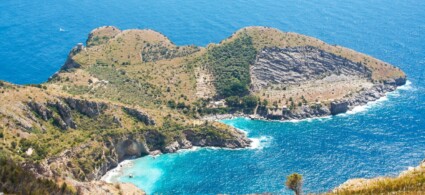
For nature lovers, there are also numerous trails for walking and trekking, from the Path of the Gods to excursions in the Cilento National Park. Those seeking peace and relaxation will find it in one of the beautiful coves hidden along the entire coastline, from Ieranto Bay to Punta Licosa.
Don’t overlook this region’s outstanding culinary tradition, which enchants visitors not just with pizza, but also with excellent babà pastries and limoncello. To make the most of your trip to Campania, here’s a list of 10 must-see attractions.
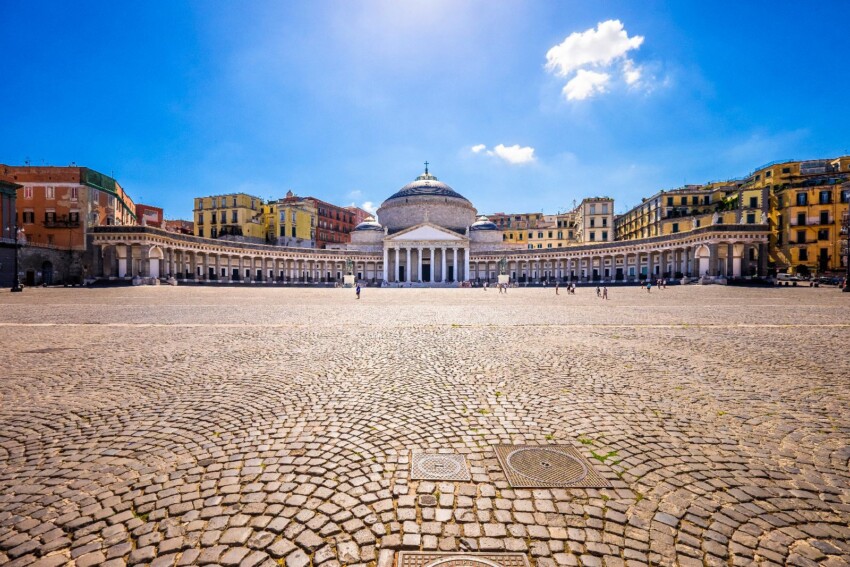
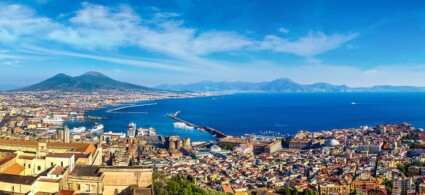
The regional capital and a land steeped in tradition and folklore, Naples is certainly an essential stop on any Campania itinerary. Beyond hosting the Capodichino airport that serves the entire region, Naples – thanks to its excellent connections – is the perfect base for exploring both the Amalfi Coast and the islands of the Gulf. A city of ancient heritage, Naples will captivate you with its narrow cobbled streets where washing still hangs between buildings and traditional bars serve authentic Neapolitan coffee, as well as with its more fashionable neighbourhoods housing designer boutiques and Michelin-starred restaurants.
The charm of Naples is irresistible, not least because of its romantic seafront promenade, which features the Castel dell’Ovo – offering stunning views across the entire Gulf – alongside luxury hotels and excellent seaside restaurants. San Gregorio Armeno, the famous Street of Nativity Scenes, is another must-visit to watch craftsmen hand-crafting figures for the traditional Neapolitan nativity scenes, with the Christmas season being the ideal time to explore this charming area.
Few realise that Naples’s underground reveals much of its history: from the ancient Romans who used it as an aqueduct to the Second World War years when it served as an air-raid shelter. Other must-see attractions include the Cathedral, Piazza del Plebiscito, the Cappella San Severo, Castel Nuovo and the National Archaeological Museum.
Read more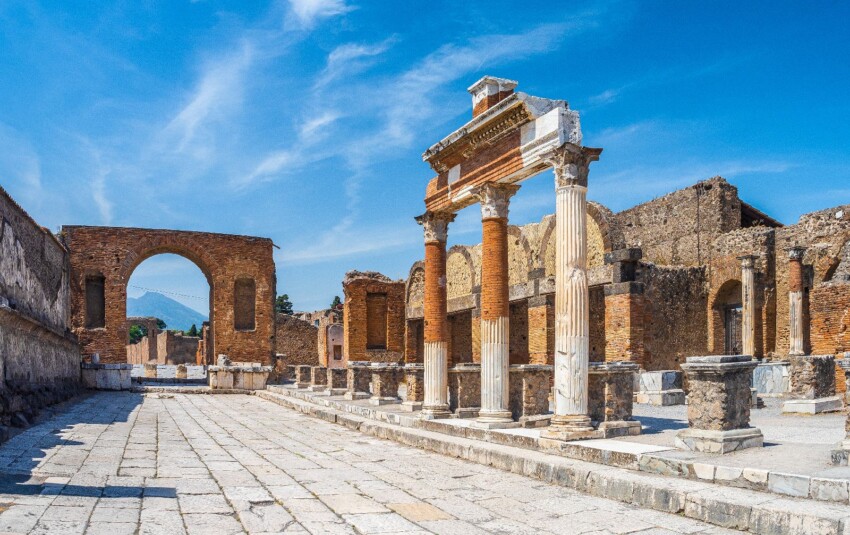
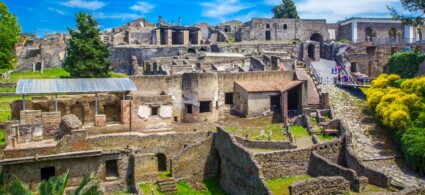
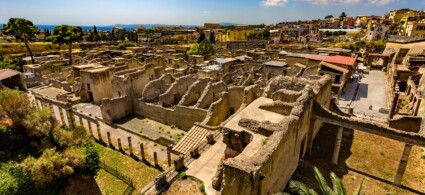
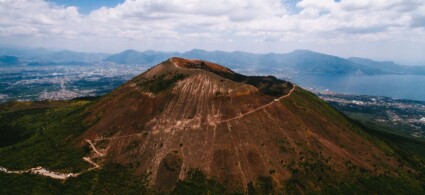
In AD 79, an eruption of Mount Vesuvius engulfed surrounding cities including Pompeii, Herculaneum and Stabiae beneath mud and lava. Today, Pompeii and Herculaneum are home to two of Italy’s most significant archaeological sites, where you can marvel at the countless Roman-era buildings brought to light through years of excavation and study.
It’s a true journey through time, allowing you to discover not only villas and theatres, but also the forum, thermal baths and much more. In particular, the archaeological site of Pompeii is extensive, so it’s advisable to plan your route in advance or opt for a guided tour.
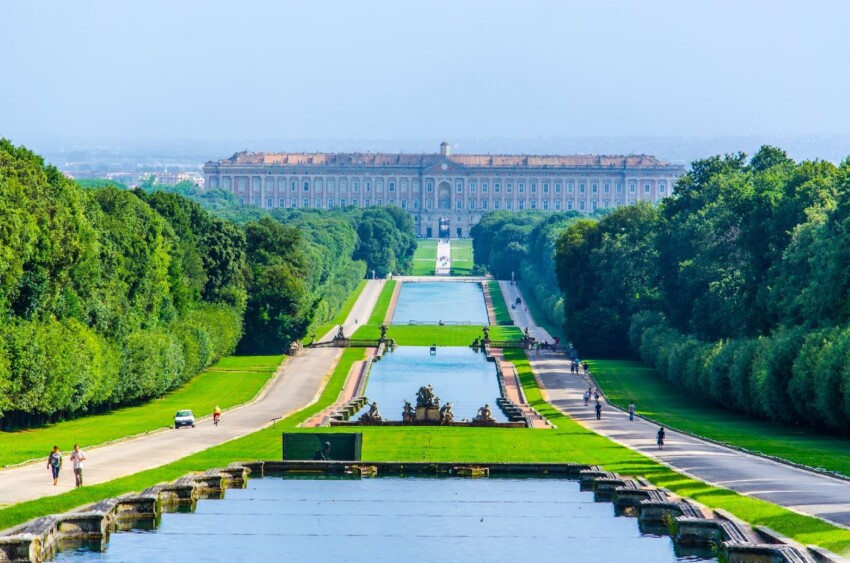
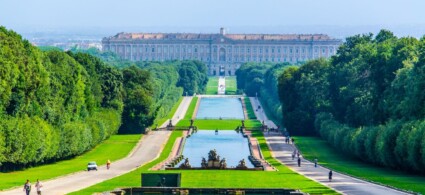
In the second half of the 18th century, the King of Naples, Charles of Bourbon, ordered the construction of the Royal Palace of Caserta, a complex designed to rival the palaces built in other European capitals, and in particular to compete with the famous Palace of Versailles.
The complex was designated a UNESCO World Heritage Site in 1997 and is a must-see during a trip to Campania. Beyond its magnificent interiors, the palace gardens are particularly striking, extending for approximately three kilometres and featuring statuary, fountains and two beautiful gardens – one English and one Italian in style.
Read moreBuy the ticket from 25,00 €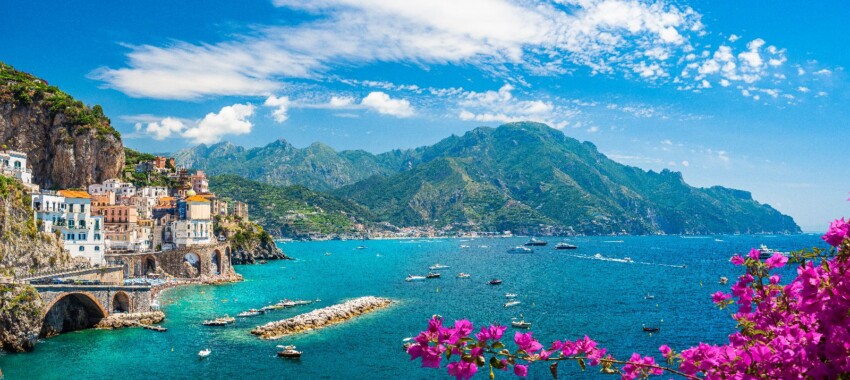
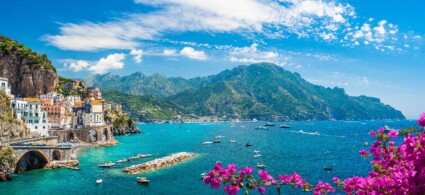
Clifftop landscapes the world envies, charming villages with colourful houses and exclusive artisan workshops producing hand-crafted goods: this is the Amalfi Coast, designated a UNESCO World Heritage Site.
With its villages clinging to rocky outcrops, hotels featuring panoramic terraces and restaurants carved into grottoes, the Amalfi Coast is a place that surprises all who visit. A truly unique destination where nature, history and tradition intertwine, and where you’ll find some genuinely exceptional beaches.
From Amalfi, the coast’s principal town, to Vietri sul Mare, a peaceful village famous for its ceramics, exploring this stretch of coast is truly a singular experience. Don’t miss Positano, which has become world-renowned not only for its striking setting but also for its craftspeople who handmake personalised sandals and clothing.
Read more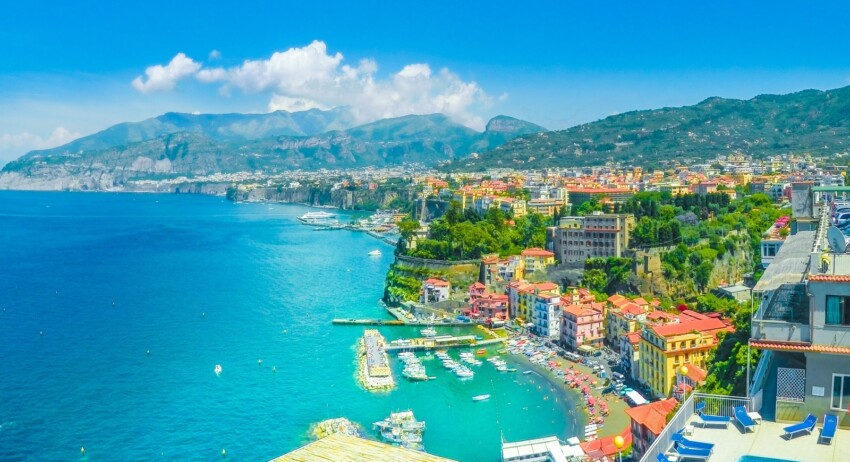
The Sorrentine Peninsula is a peninsula with an irregular, jagged coastline that has long attracted painters, writers and artists, including Goethe, Nietzsche and D’Annunzio.
The principal town of this stretch of coast is Sorrento, which lends its name to the entire peninsula, though Massa Lubrense – home to some of the region’s most beautiful beaches – is equally worth visiting, as are Sant’Agata sui due Golfi, which sits between the Gulf of Naples and the Gulf of Salerno, and the historic town of Vico Equense.
Blessed with sunshine for much of the year and celebrated for its exceptional limoncello, the Sorrentine Peninsula is a destination worth visiting not only for its splendid towns but also for its beaches with their clear, crystalline waters.
Read more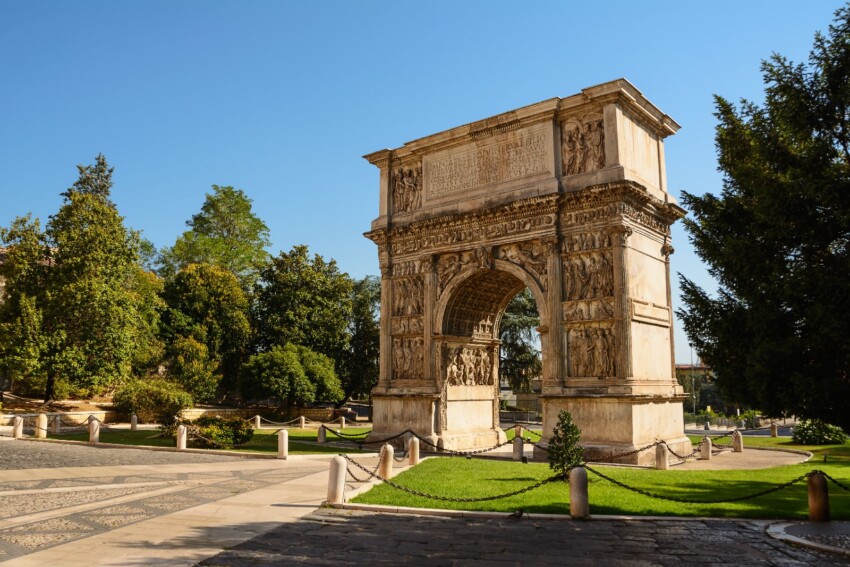
Though lesser-known, Benevento is a city with genuinely ancient origins well worth visiting for its historical and architectural heritage. Originally known as Maleventum, the city is small and easily explored on foot.
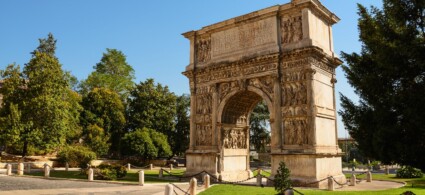
Here you’ll find the ancient Roman Theatre, commissioned by Hadrian in the 2nd century, where musical and theatrical performances are still held today, and the Church of Santa Sofia, one of the most important testaments to the Lombard period. Also noteworthy is the Arch of Trajan, built in AD 114 by the Emperor Trajan to celebrate the opening of the Trajan Way.
Read more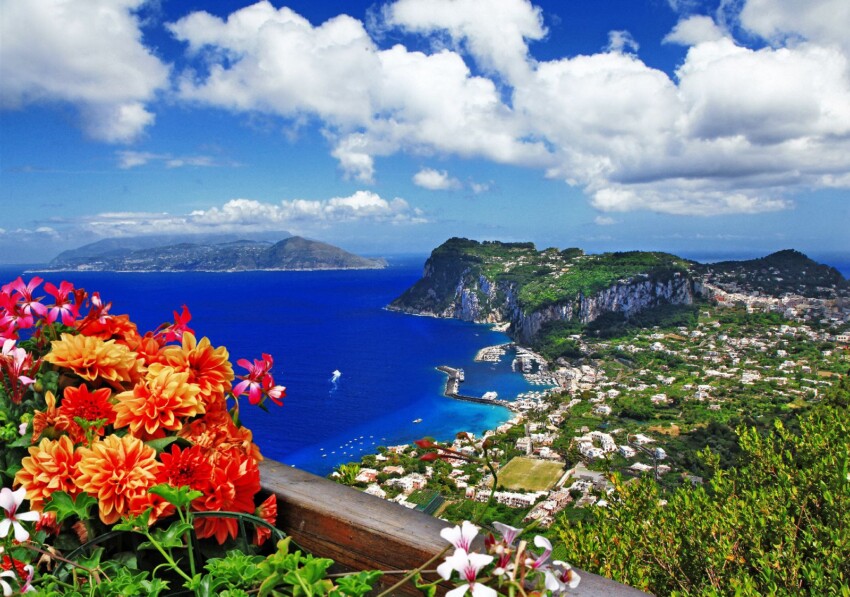
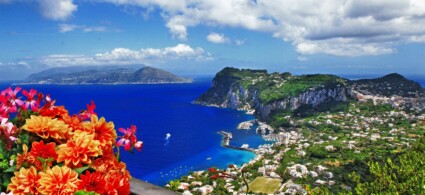
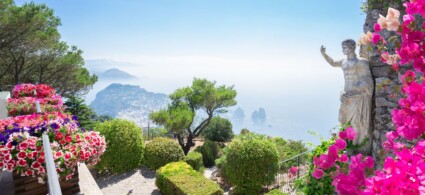
Synonymous with exclusive destinations, Capri has been beloved by emperors and Roman aristocracy since ancient times, who built luxurious villas here. The island remains today a hugely popular destination for celebrities keen to be seen in one of the bars on its famous ‘Piazzetta’ or shopping in the boutiques along via Camerelle. Capri boasts major designer shops and expensive restaurants alongside traditional inns and small artisan and souvenir shops.
For spectacular views, we recommend climbing to the top of Monte Solaro, which at 600 metres offers a magnificent panorama of the Faraglioni, the Gulf of Naples and the Gulf of Salerno. Among must-see attractions are the Faraglioni, the Blue Grotto and the Gardens of Augustus, which offer truly evocative views.
Read more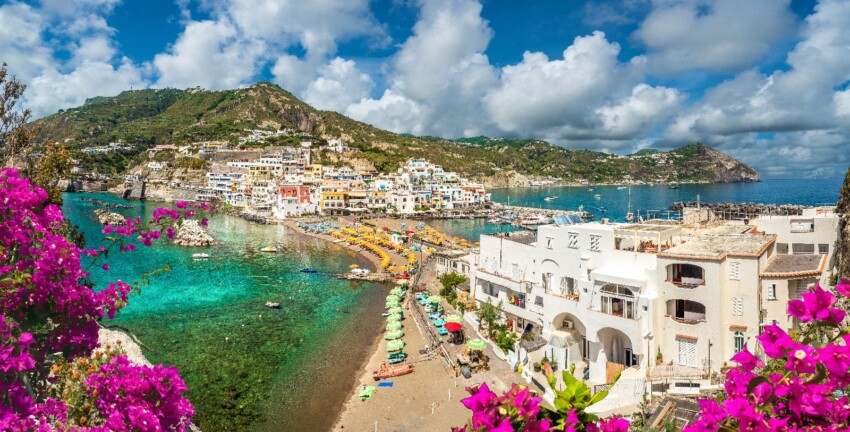
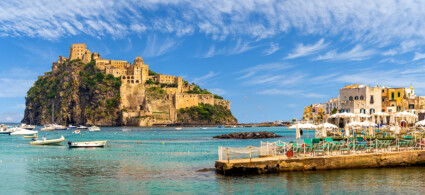
Made famous in the 1950s by entrepreneur Angelo Rizzoli, the Island of Ischia is renowned internationally for its beautiful beaches and thermal waters.
Also known as the ‘Green Island’, a visit to Ischia must include the Church of Soccorso in Forio d’Ischia, located in a stunning clifftop setting, and the famous Aragonese Castle, which tells much of this land’s history.
Ischia is a perfect destination year-round thanks to its mild climate and thermal gardens that attract visitors from across Europe. Particularly noteworthy is Sorgeto Bay, where hot springs emerge from underground and meet the sea near the shore, creating natural pools.
Read more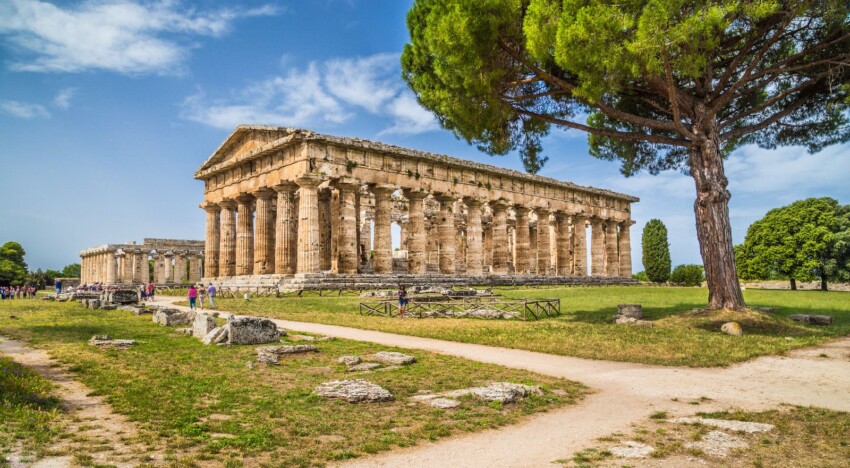
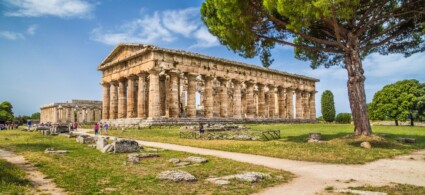
A city with ancient origins, Paestum is an archaeological site within the municipality of Capaccio, located inside the Cilento National Park. Surrounded by high defensive walls, the city preserves within its confines not only three temples of Greek origin but also the amphitheatre and forum from the Roman period.
Many artefacts (including the famous Tomb of the Diver) are now held in the National Museum of Paestum, which allows you to discover and trace the city’s entire history from prehistoric times.
Read moreBuy the ticket from 39,50 €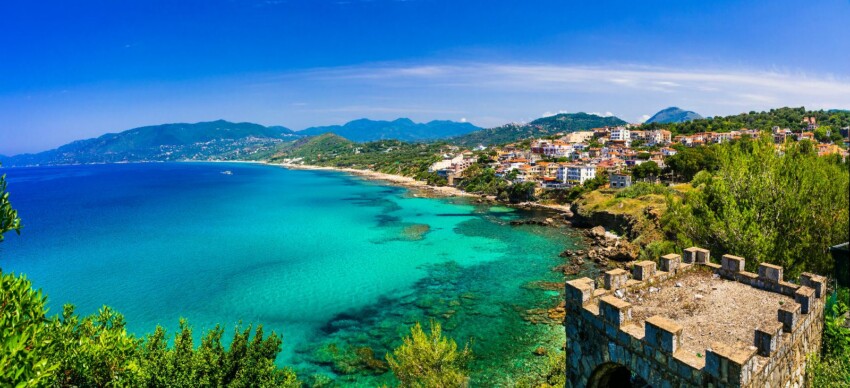
A land of myths and legends, Palinuro is a hamlet within the municipality of Centola and one of the Cilento’s most appreciated tourist destinations, thanks to its beaches and crystalline waters.
Situated within the Cilento National Park, Palinuro is the ideal destination for both beach lovers and those wishing to trek and explore. Capo Palinuro, in particular, is a promontory where you can take beautiful walks surrounded by both sea and nature.
Finally, be sure to take an excursion to the grottoes in this area, such as the Blue Grotto, the Grotto of Blood and the Monks’ Grotto. Given the beauty of the sea and seabed, which sometimes still contains relics from antiquity, this is highly recommended for diving enthusiasts.
Read moreCity Card allow you to save on public transport and / or on the entrances to the main tourist attractions.

 Hotel
Hotel  Budget accommodations
  Apartments
  Family Hotel
  Luxury Hotel
  Resorts